What Is a Deal Breaker in a Home Inspection in Kennedale?
Most inspection reports read like a long list of problems, but only a few items on that list should change whether you buy or sell.
What is a deal breaker in a home inspection?
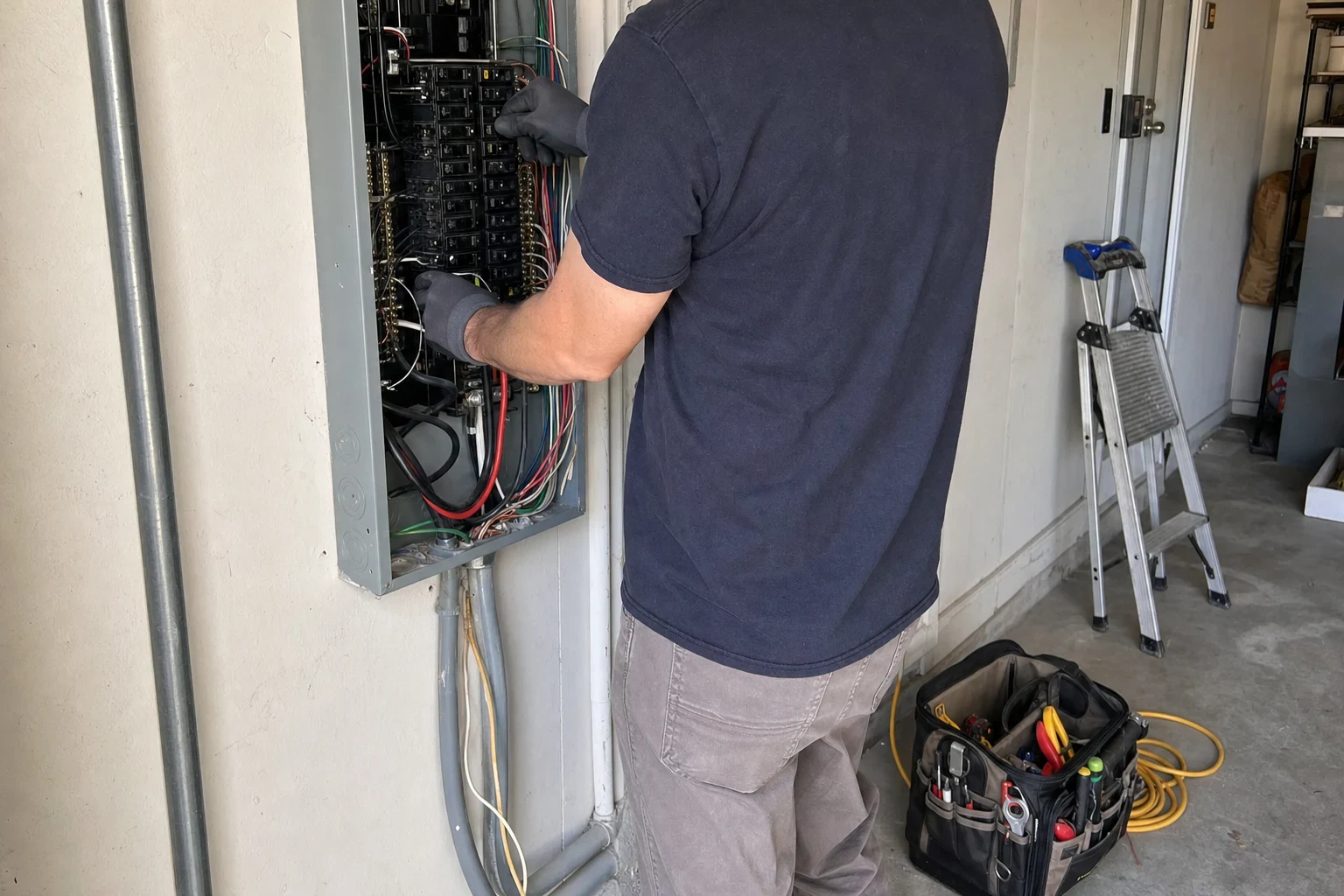
A deal breaker is a finding that is unsafe, expensive to correct, or likely to stop a lender or insurer, such as major foundation movement, active water damage, or a hazardous electrical panel or wiring. Most other items, including many electrical notes, are routine repairs you can negotiate. (682) 357-4925
What makes an inspection finding a true deal breaker?
A finding becomes a deal breaker when it does one of four things: puts people at real risk, costs more to fix than the buyer can absorb, threatens financing, or makes the home hard to insure. A cracked outlet cover does none of these. A panel with a history of breakers that fail to trip can do all four.
Across a whole house, the usual heavy hitters are structural movement, roof failure, hidden water damage, a failing heating and cooling system, and serious electrical hazards. In North Texas, foundation movement on clay soil gets a lot of attention, and it should. Electrical findings deserve the same calm look, because they are often easier to price and fix than buyers expect.
Which electrical findings tend to stop a sale?
These are the items that make insurers ask questions and make careful buyers pause. Each one can be corrected, but the work is larger than a simple repair and usually needs a permit and inspection as required by the local jurisdiction.
- Certain panel lines from the 1960s through the 1980s with well-documented breaker failures. Your inspector will usually name the brand, and many insurers will not write a policy until the panel is replaced.
- Scorching, melted insulation or heat discoloration inside the panel or at outlets, which points to loose connections or overloaded circuits.
- Solid aluminum branch wiring from that same era, where the connections loosen and overheat over time unless every termination is corrected.
- Service that is too small for the home as it is used now, especially after additions, a pool, or new heavy appliances.
- Amateur wiring hidden in attics and garages: splices without boxes, extension cords run through walls, or cable stapled across open framing.
- No grounding at the panel, or a grounding system that was disconnected during earlier work.
Which electrical items sound alarming but are usually routine?
A lot of report language is written to protect the inspector, so ordinary items can sound far more serious than they are. Many of the most common electrical notes are fixed in a single visit, often without opening walls.
Missing GFCI protection in kitchens, baths, garages and outdoor outlets is near the top of nearly every report on an older home. So are two-prong outlets, outlets that test as an open ground, double-tapped breakers, missing knockout covers in the panel, and loose or worn receptacles. None of these should end a sale on their own. They belong on a repair list, with a written estimate attached, so both sides can negotiate from real information instead of worry.
- Missing or failed GFCI protection
- Open grounds or reversed polarity at outlets
- Double-tapped breakers
- Missing panel covers, blanks or knockout plugs
- Light fixtures without proper boxes
What should you do when the report flags electrical problems?
Start by having an electrician look at the specific items, not the whole report. An inspector's job is to spot symptoms. Our job is to open the panel, test the circuits, find the cause, and tell you plainly whether it is a small correction, a panel replacement, or something in between.
Ask for the findings in writing, line by line, with photos of what was found. That document is what your agent needs for a repair request or a price adjustment, and it keeps a single flagged item from growing into a vague fear that sinks the deal. If the fix needs a permit, it should be pulled and inspected before closing so the buyer receives a signed-off result.
With us, one person reads your report, walks the house with you, writes the estimate, schedules the work around your closing date, and stays your contact through the final inspection and cleanup. You never have to repeat the story to someone new.
How does timing affect electrical repairs before closing?
Option periods in Texas contracts are short, so the order of steps matters. Get the electrical items evaluated early in the option period, then let the estimate shape your negotiation. A panel replacement involves the utility disconnecting and reconnecting service, plus an inspection, and that scheduling can take longer than the work itself.
Sellers who expect to list an older home can save stress by having the panel and wiring checked before the house goes on the market. Correcting the obvious items in advance takes the most common findings off the buyer's report, and a fresh permit record answers questions before anyone asks them.
More questions about inspection findings
Does the seller have to fix electrical problems found in an inspection?
Usually repairs are negotiated, not required, and the outcome depends on your contract and what the lender or insurer demands. Your agent can explain your options; we can give both sides a clear written scope to negotiate from.
Is a home inspector the same as an electrician?
No. A home inspector looks at the whole house and notes visible concerns. An electrician tests circuits, opens the panel, finds the cause and makes the correction to code.
Do inspection repairs need a permit?
Small items like replacing an outlet often do not, while panel replacements, service changes and new circuits generally do. We pull permits and schedule inspections as required by the local jurisdiction.
Can a deal breaker be fixed before closing?
Often, yes, if it is evaluated early. Panel and wiring work needs time for permits, utility coordination and inspection, so calling in the first days of the option period gives the most room.
Get your inspection report sorted out
Book a service visit and one person will review the electrical items on your report, test what was flagged, and give you a written, line-by-line estimate you can take to your agent.