ServicesHome Battery Backup
Home Battery Backup Systems in Kennedale
We size, place and wire home battery backup that carries your chosen circuits through an outage without a pause. One person on our side handles your questions, the permit and the schedule, from the first visit to the final wipe-down of the wall where the battery hangs.
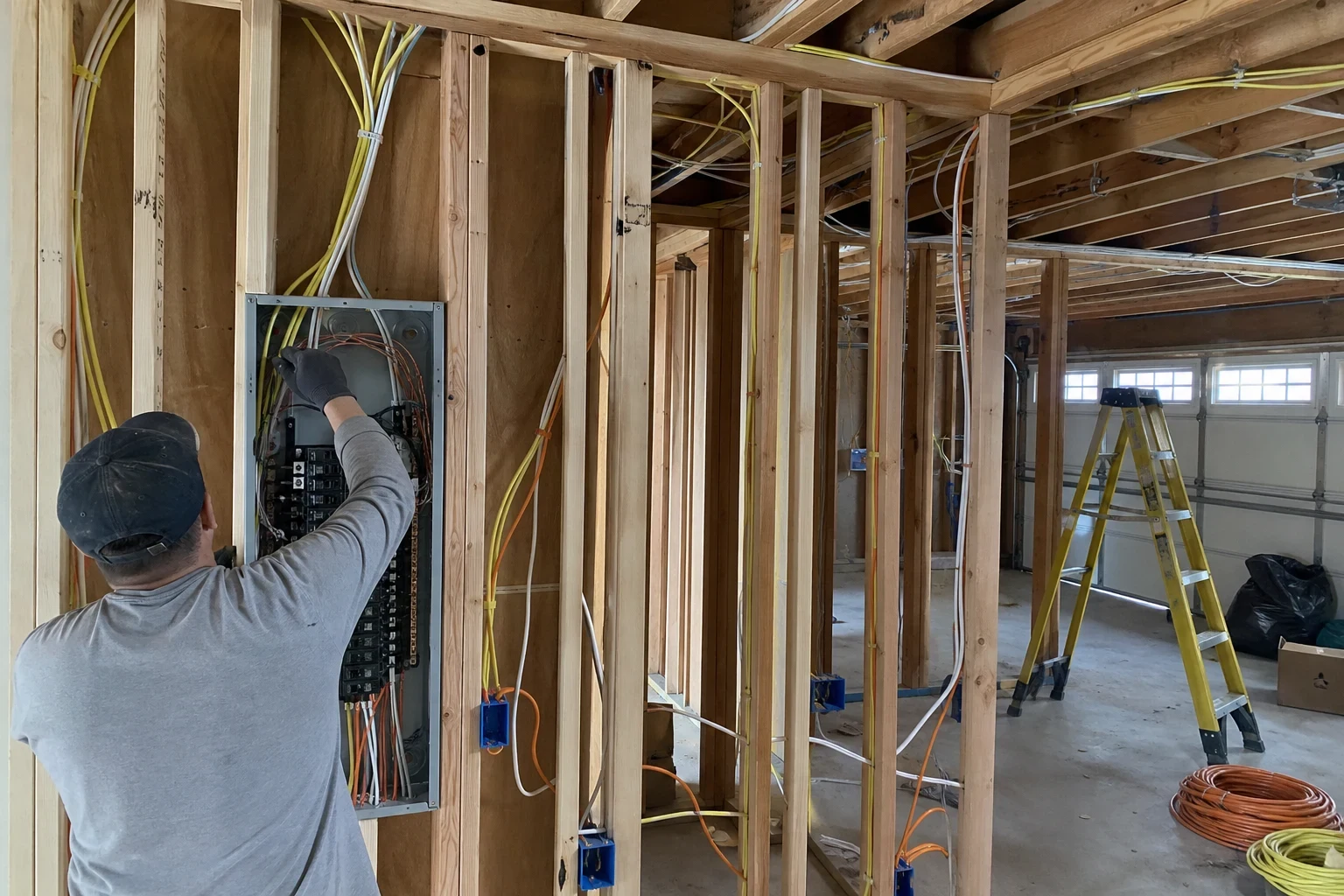
Quiet backup power, planned around how you live
A home battery banks energy while the grid is up and releases it to your circuits the moment utility power fails. There is no engine, no fuel to keep on hand and no exhaust, so it can sit on a garage wall or an exterior wall and switch over without you touching anything. The trade-off is capacity. A battery holds a fixed amount of energy, so a good design comes down to which loads matter and for how long.
That design is where most of our care goes. We look at your panel, your largest motors and how your home uses power on a hot afternoon, then lay out a system that covers what you need without paying for capacity you will never draw. If multi-day outages are the bigger worry, we will also talk through generator installation, or a pairing of the two.
You will deal with the same person from the first conversation to cleanup, so nothing gets lost between the estimate and the install.
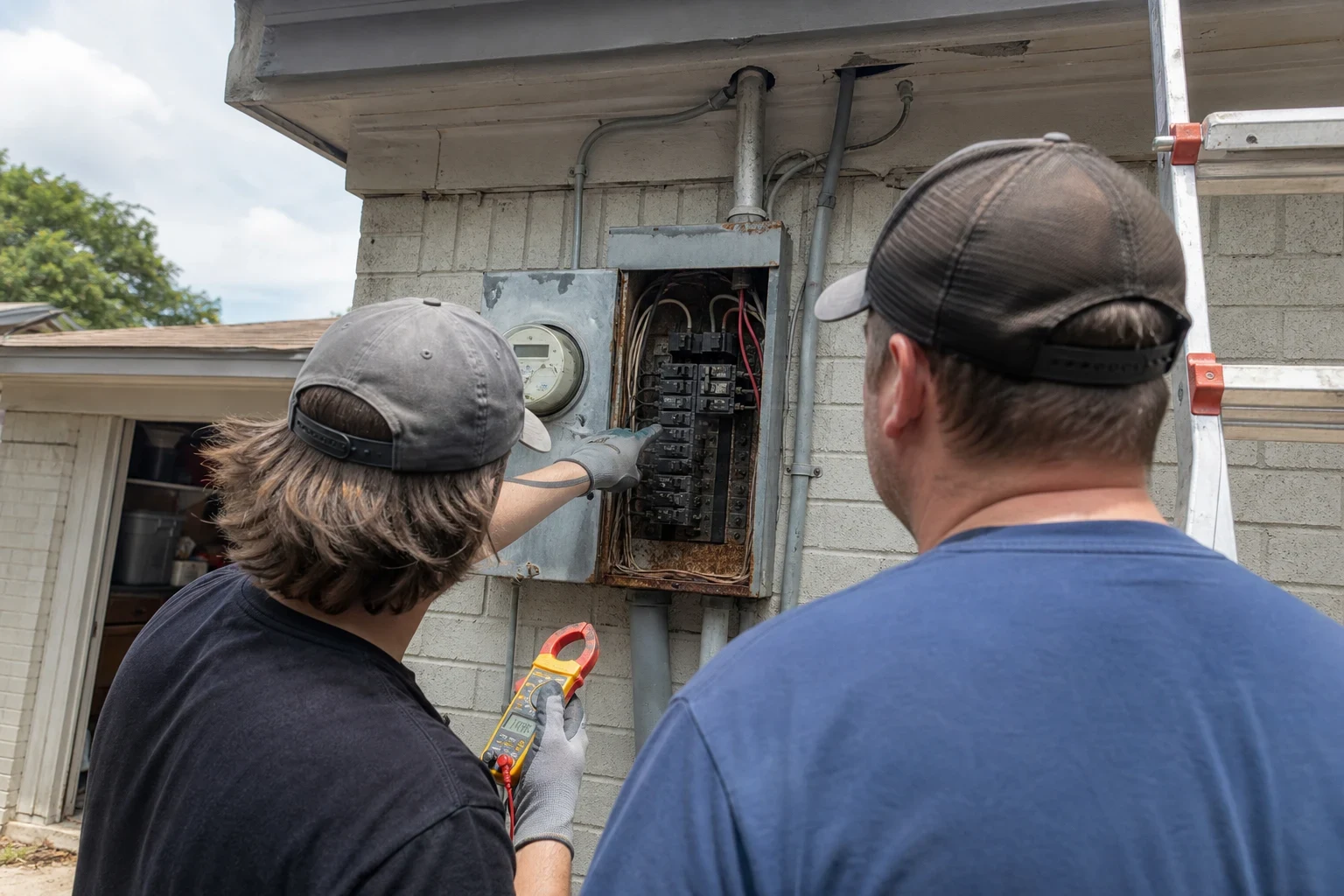
What a battery backup installation includes
- 01
Load review and sizing
We separate two numbers people often blur: how much energy a battery stores and how much power it can deliver at once. A central air unit or well pump can pull several times its running current for a moment at startup. We check those loads before we recommend anything.
- 02
Essential-loads panel or whole-home backup
Some homes do best with a separate backup panel that holds the essentials, such as the refrigerator, lights, internet and a few outlets. Others can back up the whole panel with load control that sheds big appliances when needed. We explain which fits your panel and your budget.
- 03
Placement and mounting
Batteries work best within a set temperature range, and a garage in a Texas August gets hot. We choose a spot with the clearances the manufacturer and code call for, out of direct sun where we can, and mount the unit level and secure.
- 04
Transfer equipment
The gateway or transfer switch cuts your house wiring loose from the utility the moment power fails, which keeps battery current from traveling back toward line crews working on the street. We wire it, label it clearly and test the changeover.
- 05
Permit, inspection and utility paperwork
We pull the permit, schedule the inspection the local jurisdiction requires and handle utility coordination where it applies.
- 06
Setup and walkthrough
Before we leave, we set the backup reserve, connect monitoring to your network and show you how to read it.
Questions about Home Battery Backup?
Call(682) 357-4925Signs a home battery is worth a look
Outages keep costing you
Spoiled groceries, a dead router in the middle of a workday, a sump or well pump that stops. If short outages keep disrupting your home, a battery covers them without anyone getting up.
Medical equipment at home
If someone in your home relies on an oxygen machine, a CPAP or medicine that has to stay cold, even a few minutes without power matters. A battery picks up the load almost instantly, with no engine to crank.
A generator is not a good fit
Noise, HOA rules, fuel storage or a small side yard can rule out a generator. A wall-mounted battery runs silently and needs no fuel.
Storm season makes you uneasy
Spring thunderstorms and summer heat both strain the grid here. Planning backup in a calm month beats shopping for it after the lights go out.
Panel work is already on your list
If you are considering a panel upgrade, doing both together can save a second permit and a second shutdown.
How the work goes, from first visit to final test
- 1
Service visit
We look at your panel, service size, wall space and the loads you want covered. We ask how long your typical outages last and what you would miss first.
- 2
Written design and estimate
You get a plain layout of which circuits are backed up, where the battery goes and what the job includes, line by line. Nothing is ordered until you approve it.
- 3
Permit and scheduling
We file the permit and give you a date. Your contact on our side confirms the day before and tells you when the power will be off.
- 4
Installation day
We cover floors, protect finished walls and keep conduit runs neat and square. Many installs fit in a day or two, with power off for part of that time. We patch our own wall penetrations and sweep up as we go.
- 5
Inspection and live test
After inspection, we open the main to simulate an outage and watch your home switch to battery. Then we walk you through the system and leave the area as we found it.
What shapes the price of a battery system
Battery pricing depends far more on design choices than on labor hours. We explain each choice in the estimate so you can see where the money goes and adjust the scope before anything is ordered.
- Storage capacity and number of units
- More stored energy means longer runtime and a higher equipment cost. Adding a second unit also raises output, which matters for larger motors.
- Essential loads versus whole home
- A small backup panel for key circuits usually costs less than backing up everything. Whole-home setups need more output and smarter load control.
- Your panel and service
- An older or full panel may need replacement or rework before a battery can be tied in safely.
- Location and wire runs
- A battery close to the panel needs short runs. Exterior mounting, long conduit paths or finished walls add material and time.
- Permits and utility steps
- Fees and paperwork differ from one jurisdiction to the next. We show them as their own lines on the estimate, so nothing lands as a surprise later.
Battery backup questions we hear most
How long will a battery keep my home running?
It depends on how much the battery stores and what it is powering. Lights, a refrigerator and internet can run a long time on a single unit, while central air drains it much faster. We estimate runtime from your actual loads during the service visit.
Can a battery run my central air conditioner?
Often, yes, but it takes enough output to handle the compressor's startup surge. Sometimes a soft starter on the unit makes it possible with a smaller system. We check your equipment before promising anything.
Is a battery or a generator the better choice for my home?
They solve different problems. A battery runs without noise or fuel and switches over on its own, but it can only deliver what it has stored. A standby generator keeps going for days as long as its fuel holds out. Frequent short outages favor a battery, while long ones point toward a generator or a pairing of both.
Who takes care of the permit and inspection?
That is part of our job, not yours. Your contact on our side handles the paperwork, books the inspection your local jurisdiction calls for and meets the inspector at your home. Once it passes, we hand you the approved documents to keep with your records.
What upkeep does a home battery need?
Very little. Keep the area around it clear, let the software update and glance at the app now and then. If you want your panel and connections checked periodically, our Torque & Cleans service covers that.
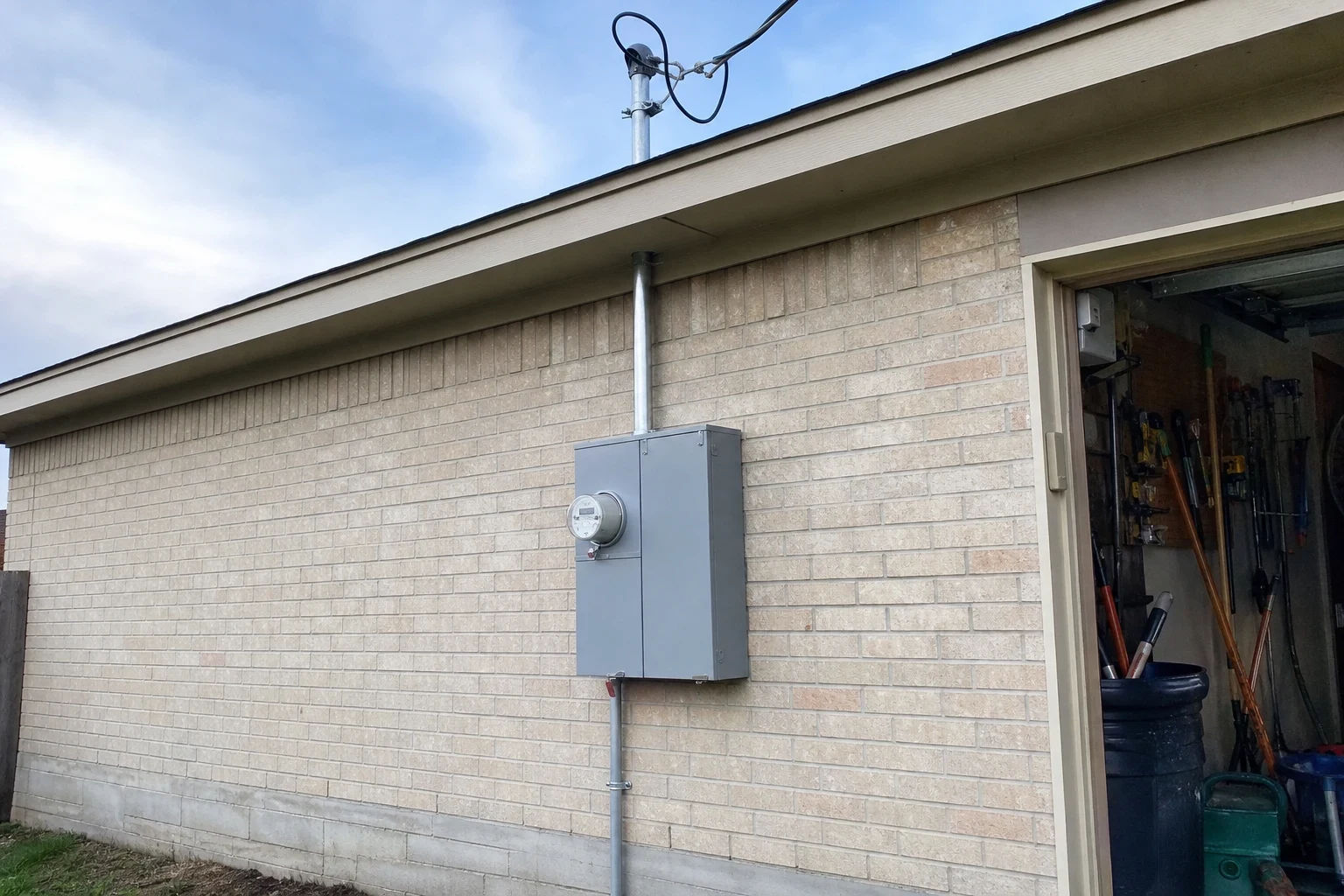
Plan backup power before you need it
Tell us which circuits matter most and how long your outages tend to last. We will come out, look at your panel and lay out a system that fits your home.